
Mud gets into the hallway because there’s no practical place for it to come off first. A damp doormat can only cope with so much, especially when children, pets and grown-ups all arrive home at once. The best fix starts outside, where a few simple changes can catch soil and water before they cross the threshold. That means less mopping, fewer stained rugs and no trail of footprints leading through the house.
The Daily Muddy Boot Battle
Mud usually enters on deep boot treads, bicycle tyres, pushchair wheels and paws. Once it reaches a smooth hallway floor, it mixes with water and spreads surprisingly far. A mat placed inside the door helps, but it also allows wet footwear into the room.
Start by looking at the route everyone takes home. The most useful entrance may be the back door, utility room or side gate. Place a firm scraping mat outside and an absorbent one just inside. For households with dogs, this guide to stopping muddy paws explains why the outdoor mat needs enough texture and space to clean all four paws.
Create an Exterior Transition Zone
Treat the area beside your busiest entrance as a small outdoor changing station. It doesn’t need to look industrial. A covered spot measuring around one metre deep can provide room to pause, scrape shoes and fold a pushchair before going indoors.
Add a boot scraper, a washable mat and a stiff hand brush for dried soil. If pets use this entrance, keep an old towel in a lidded waterproof box. A roof overhang or compact canopy will stop the mat becoming saturated during steady rain. Make sure the surface slopes gently away from the house too, so puddles don’t collect beside the doorstep and soak shoes immediately before you enter.
Upgrade High-Traffic Walkways
Bare soil beside a path quickly turns into mud, which then transfers onto paving and footwear. Check for narrow corners where people step off the path, along with worn routes between the driveway, bins, shed and back door. Widening these areas can remove the temptation to cut across damp ground.
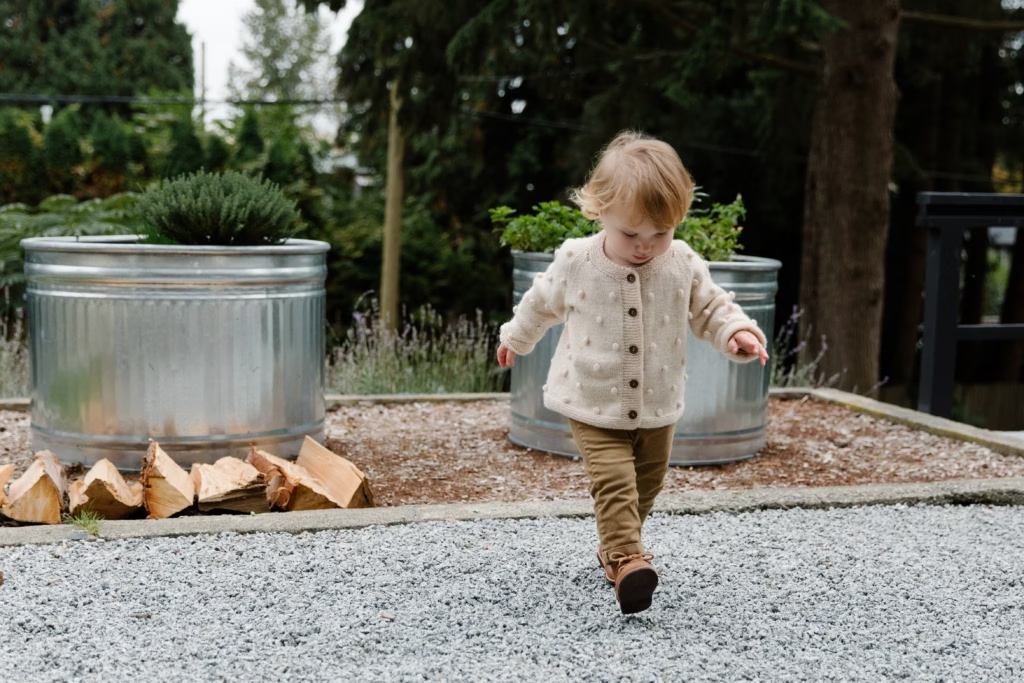
For a practical DIY improvement, prepare a firm, well-drained base and finish it with suitable garden aggregates. Gravel and slate chippings can create a defined walkway while helping rainwater drain through the surface when properly installed. Choose a stone size and shape suited to the route’s intended use, particularly if pushchairs or wheeled bins need to pass over it. Edging can help keep loose material contained, while a suitable weed membrane can reduce unwanted growth beneath the stones.
If you’re looking for other ways to reduce garden upkeep, this guide to creating a low-maintenance garden explores alternatives to high-maintenance lawns, practical path materials, and planting choices that need less attention.
Outdoor Storage for Wet Footwear
A sheltered boot rack keeps dripping shoes out of the hallway while allowing air to circulate them. Look for a raised design with open shelves and place it under a porch or inside a ventilated storage bench. Closed plastic boxes can trap moisture, leaving footwear damp and musty the following morning.
Assigning each family member a shelf makes busy school mornings easier. Keep everyday trainers above muddy boots so cleaner footwear stays away from drips and loose soil. If outdoor storage isn’t possible, use a ridged drip tray in a utility space and empty it regularly.
Establish Easy Daily Habits
The setup works best when everyone can follow it without being reminded. Give muddy shoes a clear stopping point, leave slippers near the inner mat and keep cleaning supplies within reach. Children are more likely to cooperate when their boot space is easy to identify and low enough to use without help.
Shake or brush the outdoor mat every few days, then wash it according to its care label. Sweep gravel and paving before loose dirt reaches the step. After especially wet walks, rinse heavy mud from boots outdoors and leave them to drain.
Soon, arriving home follows a natural order: scrape, store, step inside. The hallway stays cleaner because the mud never gets the chance to reach it.