
Choosing the right cooling system is a big deal for keeping your home comfy. With Australia’s wild weather, a good way to beat the heat isn’t just a nice-to-have; it’s a must-have.
But with so many choices out there, from units for a single room to systems that cool the whole house, it can feel a bit overwhelming to figure out where to begin. This guide will walk you through the main things to think about, helping you pick the perfect system for your place and your wallet.
Assessing Your Home’s Layout
Before you even start looking at specific models, take a good, honest look at your home. How big it is, its layout, and how it’s built will really shape which cooling system works best.
An open-plan living area needs something totally different from a house with lots of small, separate rooms. Think about your ceiling height, how many windows you have and how big they are, and how much direct sunlight each room gets during the day.
Good insulation and modern windows can seriously cut down on how much cooling you need. This might mean you can go for a smaller, more energy-efficient system. On the flip side, an older home with crummy insulation might need a more powerful setup.
Also, consider your family’s daily life. Do you need to cool the whole house all the time, or just the bedrooms at night? Answering these questions first will help narrow down the types of HVAC systems that are actually right for you.
Split Systems Explained
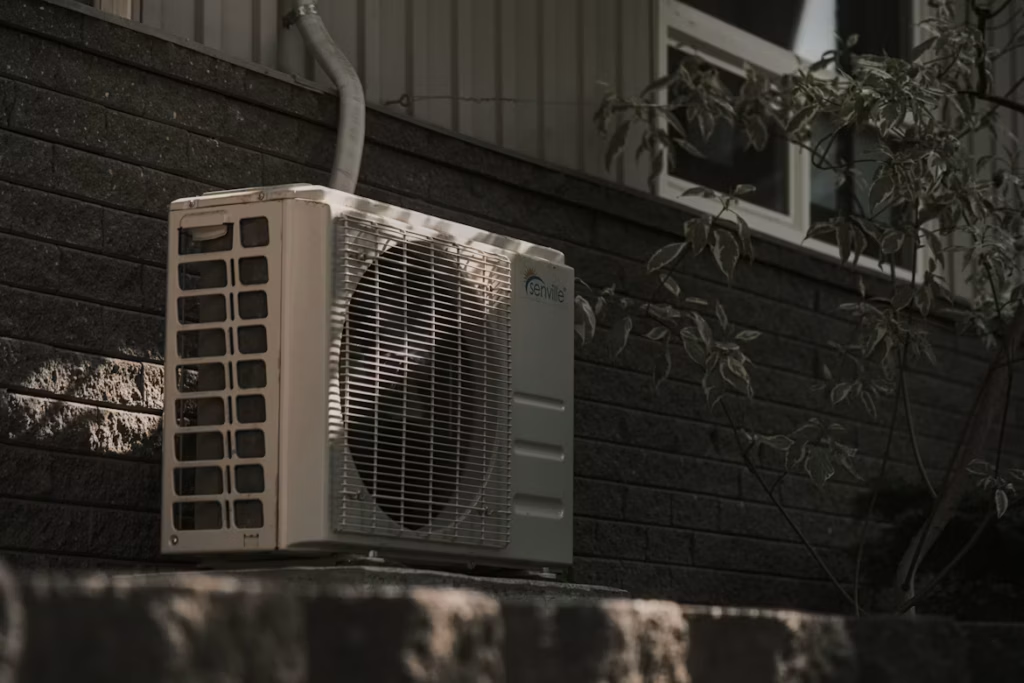
A split system is one of the most common and flexible types of air conditioning available these days. It has two main parts: an indoor unit that sits on your wall and an outdoor unit that holds the compressor. These two are connected by pipes filled with refrigerant gas.
Their biggest perk is how adaptable they are. You can install one system to cool just a single room, like your main bedroom or a home office, or you can put in several indoor units connected to one outdoor unit (that’s a multi-split system) to create different temperature zones all over your house.
Modern split systems are super energy-efficient and quiet. They also come with handy features like timers, dehumidifying modes, and remote controls. They’re a fantastic way to cool specific areas without the big cost and ductwork needed for a central system. If you only need to cool one or two key rooms, a split system is usually the smartest choice for your budget.
Ducted Air Conditioning Benefits
If you’re dreaming of smooth, whole-home cooling, ducted air conditioning is the top-tier option. This system uses a central unit, usually tucked away in the roof space or under the floor, to cool air and then send it throughout your house using a network of ducts and subtle vents. The main advantage here is consistent, even temperature control in every single room. You just set one temperature on a central controller, and the system handles the rest.
Ducted systems are practically invisible, with only discreet grilles in the ceiling or floor, so they won’t mess with your home’s look. You can also set up zones, letting you turn off the cooling in rooms you’re not using to save energy.
While the initial installation cost is higher than for split systems, the value it adds to your home and the amazing comfort it provides are well worth it. A good central air conditioning buying guide can help you understand the long-term benefits and what features to keep an eye out for.
Evaporative Cooling Options
Evaporative coolers work on a simple, natural idea: as water evaporates, it soaks up heat, making the air around it cooler. These systems pull warm outdoor air through pads soaked in water, dropping its temperature before a fan blows it into your home. This makes them a very energy-efficient choice, often costing a lot less to run than regular refrigerated air conditioners. They really shine in hot, dry climates where the low humidity lets the evaporation work its magic.
One big difference is that evaporative systems need you to leave some windows or doors open. This lets the moist, cool air circulate and push the warm air out. This constant flow of fresh air is a huge plus for many people. However, they’re not as effective in humid coastal areas, because the high moisture in the air makes it harder for the system to cool things down.
Installation Considerations
No matter which system you pick, getting it installed professionally is crucial for how well it works and how long it lasts. A qualified technician will make sure the unit is the right size for your space, placed perfectly for good airflow, and installed according to all safety rules and the manufacturer’s instructions. A bad installation can lead to wasted energy, frequent breakdowns, and might even void your warranty.
When you’re getting quotes, ask about the installer’s experience, licences, and insurance. They should do a thorough check of your home to recommend the best system. For split systems, they’ll advise on the ideal spot for both the indoor and outdoor units. For ducted systems, they’ll design a ductwork layout that ensures balanced airflow to every corner of your home. Taking the time to find a reliable installer will give you peace of mind that your investment is in good hands.
Choosing the right cooling system really comes down to balancing what your home needs with your budget and how you live. By understanding the differences between the main types of systems, you’ll be ready to find a solution that keeps you nice and cool all summer long.